
 Marine Protected Area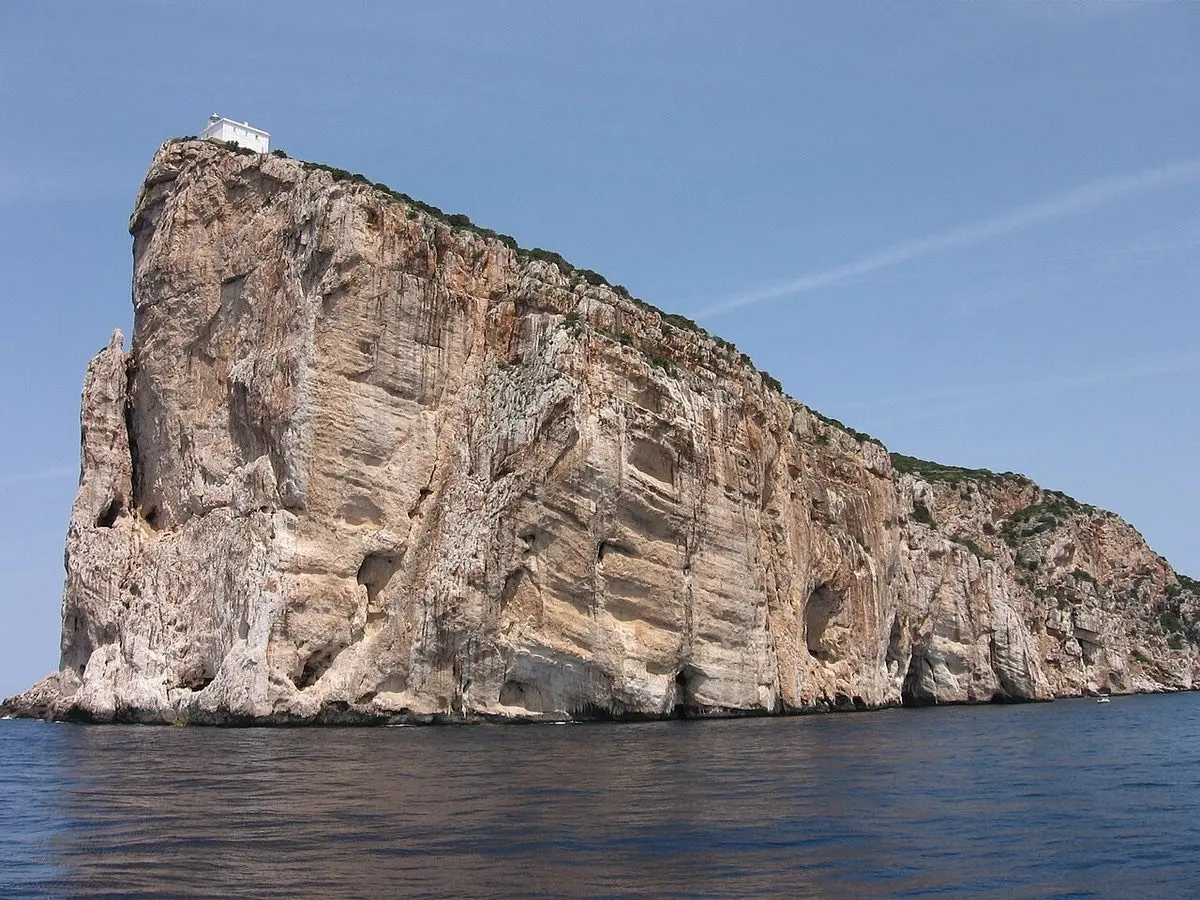
Marine Protected Area
Capo Caccia
Cliffs, caves and deep water in the Capo Caccia – Isola Piana MPA
Alghero · North-West
- DifficultyIntermediate
- AccessBy boat and from shore
- SeasonJune – September
- SeabedLimestone cliffs and caves
At a glance: Intermediate difficulty, access by boat and from shore. Recommended season: June – September. Seabed: limestone cliffs and caves.
What you will see
- Dramatic cliffs plunging into the sea
- Caves and crevices to explore from the surface
- Sea urchins, sponges and wall life
- Cala Dragunara as a convenient entry point
Conditions today
Reading the sea…
Chance of an encounter*


The guide
The Capo Caccia headland, west of Alghero, is one of Sardinia’s most spectacular coastal landscapes: sheer limestone cliffs, famous caves such as Neptune’s Grotto, and a marine protected area covering the whole stretch of coast together with Isola Piana.
For snorkelling, Cala Dragunara is the most practical access point: from the small bay you follow the walls, where the rock steps down in ledges covered with sponges and sea urchins, with clouds of damselfish in midwater.
Boat trips from Alghero reach crevices and cave mouths you cannot get to from land. The sea here is more exposed than on the eastern coast: pick calm days and consider the group’s level.
This spot lies within a Marine Protected Area: zoning restricts swimming and boating in some stretches. Rely on authorised operators and check the managing body’s current rules.
Frequently asked questions
Where do you get in the water at Capo Caccia?
The most practical shore access is Cala Dragunara; boat trips leave from Alghero and reach caves and crevices you cannot access from land.
Is Capo Caccia suitable for beginners?
The level is intermediate: the sea is more exposed than the east coast and calm days are best; beginners should stay at Cala Dragunara.
Can you visit Neptune’s Grotto?
Yes: Neptune’s Grotto can be visited for a fee by sea or via the Escala del Cabirol staircase, and is the headland’s signature attraction.
Plan your trip
The tours in detail
Learn more
Blog Useful reads for this area
Keep exploring
Other spots
Marine Protected Area Marine Protected Area
Capo Carbonara
* The encounter percentages are indicative estimates, worked out by combining each species’ typical habitat with the characteristics of the spot. They are not survey data: whether the fish are actually there depends on the season, the weather, the time of day, sea conditions and, not least, a bit of luck. Always respect marine life and the rules of protected areas.