
 Marine Protected Area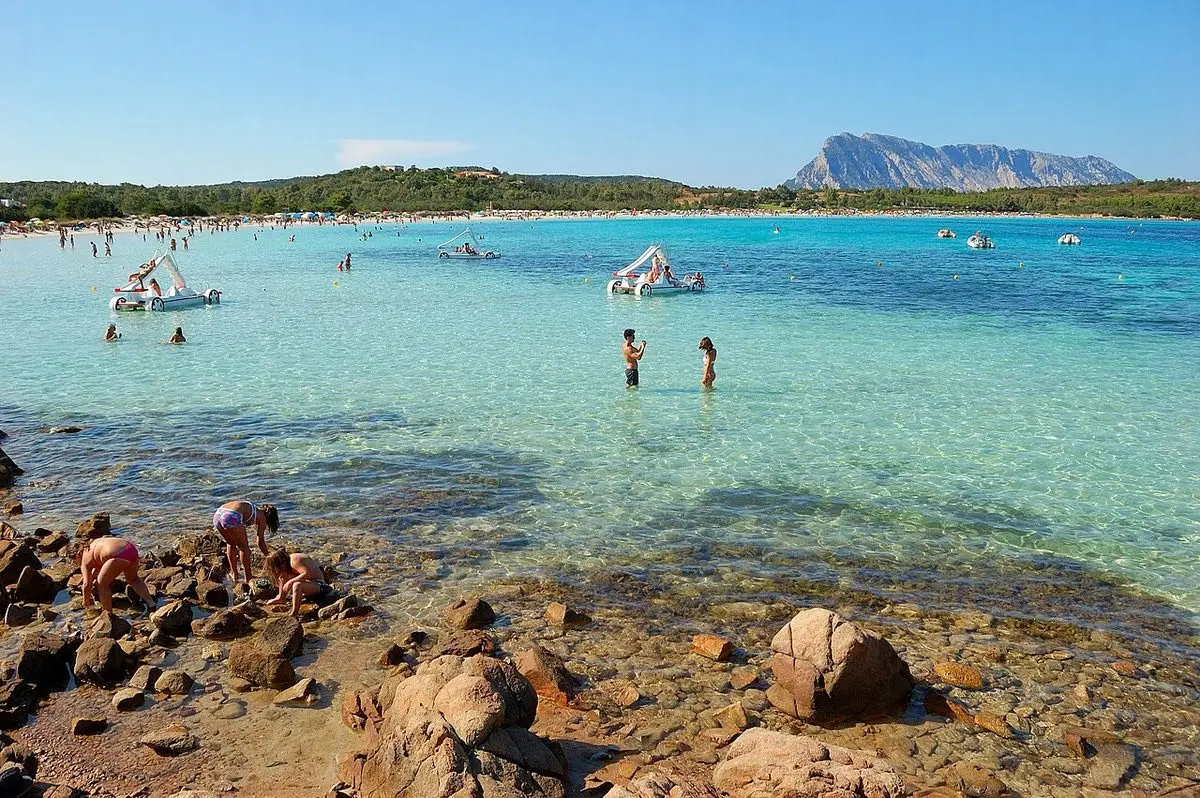
Family friendly
San Teodoro and Cala Brandinchi
Gentle seabeds and clear lagoons, perfect for a first time
San Teodoro · North-East
- DifficultyEasy
- AccessFrom shore and by kayak
- SeasonMay – October
- SeabedFine sand and low rocks
At a glance: Easy difficulty, access from shore and by kayak. Recommended season: May – October. Seabed: fine sand and low rocks.
What you will see
- Shallow, sheltered water, ideal for first attempts
- Kayak + snorkelling trips along the coast
- Rocky edges full of life at shallow depth
- Close to the Tavolara MPA
Conditions today
Reading the sea…
Chance of an encounter*


The guide
The San Teodoro coastline alternates long sandy beaches with low rocky points: a perfect combination for anyone taking up snorkelling. Cala Brandinchi and Lu Impostu offer clear water and seabeds that shelve gently.
The most interesting spots are the rocky edges at the sides of the beaches, where sea breams, red mullet and octopuses move among rocks and small meadows. The modest depth makes exploring safe for accompanied children too.
Trips combining kayaking and snorkelling along the coast are common here, a low-impact way to reach coves you cannot walk to. This stretch of sea faces the Tavolara MPA, so water quality is generally excellent.
Frequently asked questions
What is the best snorkelling beach in San Teodoro?
Cala Brandinchi and Lu Impostu: clear water, a gently shelving bottom and rocky edges full of life at shallow depth.
Is the area suitable for children?
Yes: the modest depth and sheltered water make it ideal for a first snorkel, always with an adult close by.
Do the beaches require booking in summer?
Yes: Cala Brandinchi and Lu Impostu have capped access with mandatory booking in the summer months, via the San Teodoro municipality portal.
Plan your trip
The tours in detail
Learn more
Blog Useful reads for this area
Keep exploring
Other spots
Marine Protected Area Marine Protected Area
Capo Carbonara
* The encounter percentages are indicative estimates, worked out by combining each species’ typical habitat with the characteristics of the spot. They are not survey data: whether the fish are actually there depends on the season, the weather, the time of day, sea conditions and, not least, a bit of luck. Always respect marine life and the rules of protected areas.