
 Marine Protected Area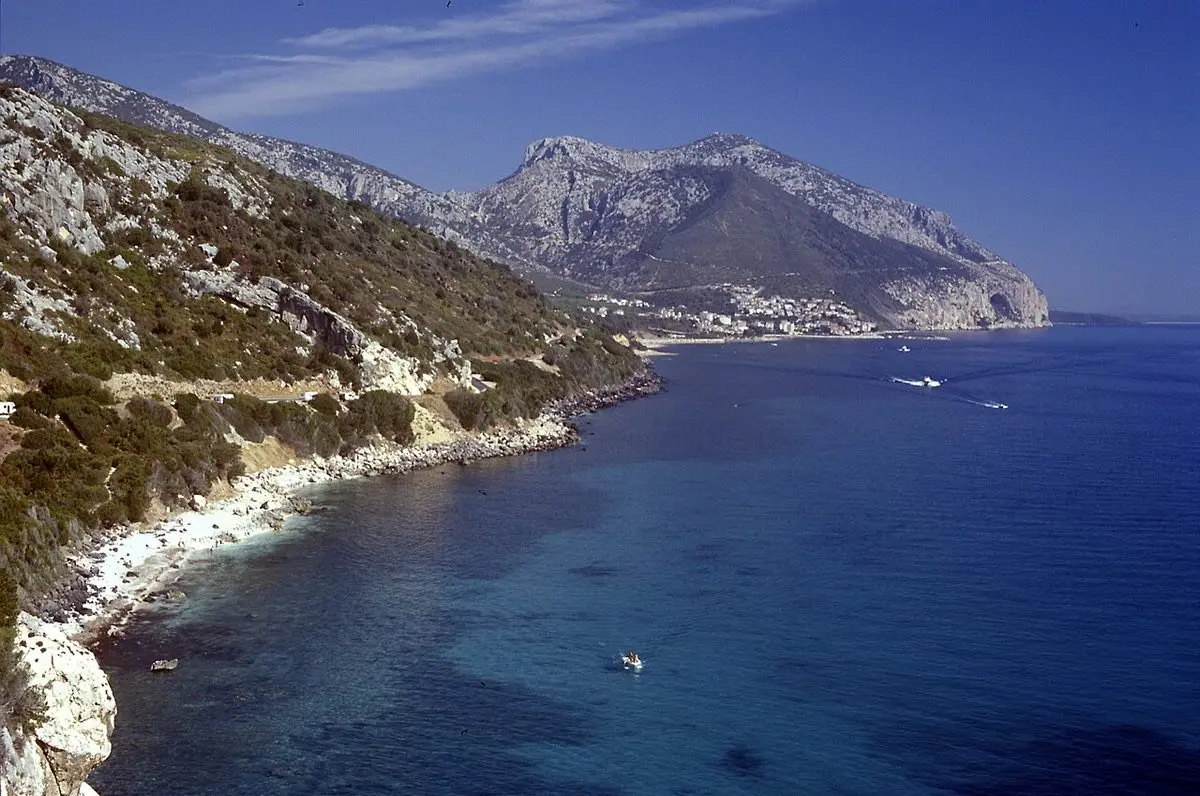
Coves and cliffs
Cala Gonone and the Gulf of Orosei
Sardinia’s most famous coves, reachable only from the sea
Dorgali · Central-East
- DifficultyIntermediate
- AccessBy boat
- SeasonJune – September
- SeabedLimestone cliffs and white shingle
At a glance: Intermediate difficulty, access by boat. Recommended season: June – September. Seabed: limestone cliffs and white shingle.
What you will see
- Cala Luna, Cala Mariolu and Cala Goloritzè
- White shingle and water turning to turquoise
- Sea caves all along the coast
- Seabeds dropping fast beneath the cliffs
Conditions today
Reading the sea…
Chance of an encounter*


The guide
The Gulf of Orosei is the island’s most spectacular stretch of coast: forty kilometres of limestone cliffs with no roads, where the coves are reachable almost only by boat. Cala Gonone is the harbour the dinghies and mini-cruises leave from.
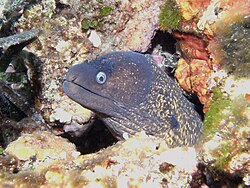
Underwater the character differs from the sandy beaches up north: the white shingle reflects the light and creates that unnatural turquoise, while metres from the shore the wall drops away sharply. This is the habitat of sea breams, damselfish and — on shaded walls — brown meagre and scorpionfish.
It should be said plainly: the coves get crowded in high season and some, like Goloritzè, cap daily visitors. Anyone after the best snorkelling should pick June or September, and ask the operator about the less-frequented stops along the coast.
Frequently asked questions
How do you reach the coves of the Gulf of Orosei?
Almost only from the sea: dinghies and mini-cruises leave Cala Gonone harbour and work up the coast past Cala Luna, Cala Mariolu and the caves.
Do you need to book for Cala Goloritzè?
Yes: Goloritzè has a paid daily visitor cap on the footpath, and boats are not allowed to land.
When is the best time to go?
June and September: the same water with far fewer people. In high season, take the first departures of the morning.
Plan your trip
The tours in detail
Learn more
Blog Useful reads for this area
Keep exploring
Other spots
Marine Protected Area Marine Protected Area
Capo Carbonara
* The encounter percentages are indicative estimates, worked out by combining each species’ typical habitat with the characteristics of the spot. They are not survey data: whether the fish are actually there depends on the season, the weather, the time of day, sea conditions and, not least, a bit of luck. Always respect marine life and the rules of protected areas.