Dolphins in Sardinia: where to actually see them, when to go and how to behave
A resident colony of bottlenose dolphins lives off Golfo Aranci, and pods escort the boats in the Gulf of Orosei: the spots where a sighting is almost a certainty, the right time of day, and the rules for not disturbing them.
Where can you see dolphins in Sardinia?
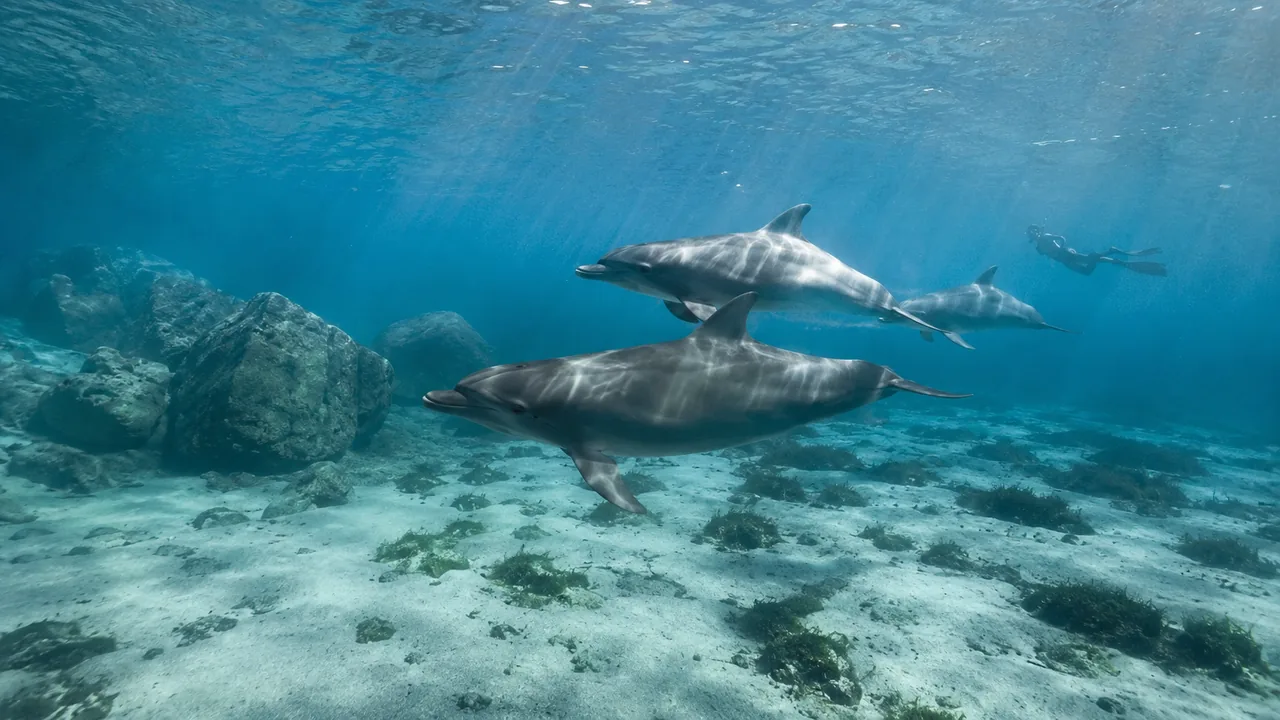
- The most reliable spot is the Gulf of Olbia–Golfo Aranci: a resident colony of bottlenose dolphins lives year-round around Figarolo islet.
- Trips at dawn and early morning have the best odds: flat sea and dolphins out hunting.
- They are around all year; dedicated trips run daily from May to October, often with a snorkelling stop.
Indicative intensity of dolphin-watching trips: the bottlenose colony is resident, the boats follow the season.
It is the other big “will I see something?” of a Sardinian summer, along with jellyfish — but with the opposite sign: here the question is how lucky you are, and in at least one gulf the answer is almost always yes. The stretch of sea between Olbia and Golfo Aranci is home to one of the Mediterranean’s few genuinely resident colonies of bottlenose dolphins: a group of a few dozen animals that local skippers recognise one by one, by their dorsal fins.
The three species you may meet
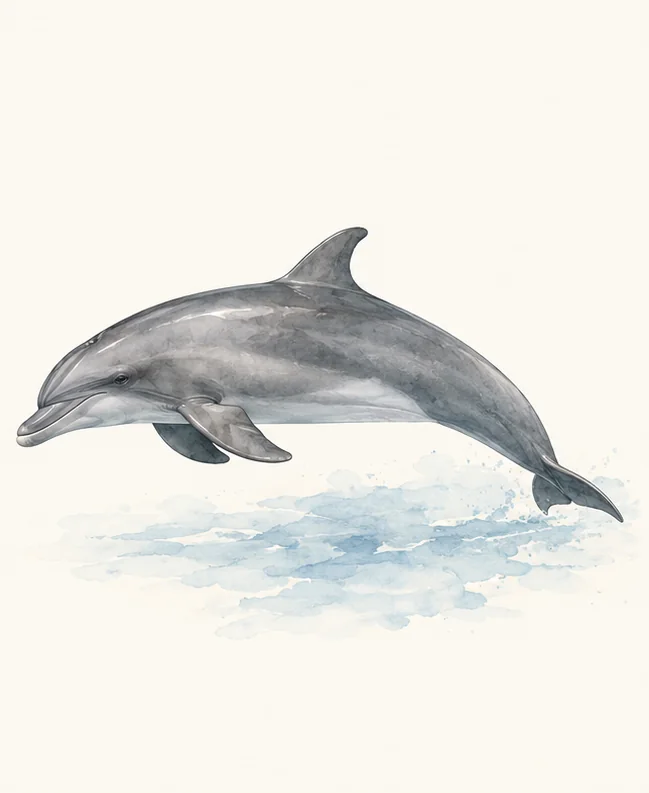
The bottlenose is the “house” dolphin: sturdy, grey, 2.5–3.5 metres, living in shallow coastal water. It is the star of the sightings at Golfo Aranci, where it hunts between the fish-farm cages and the seabeds of Figarolo islet.
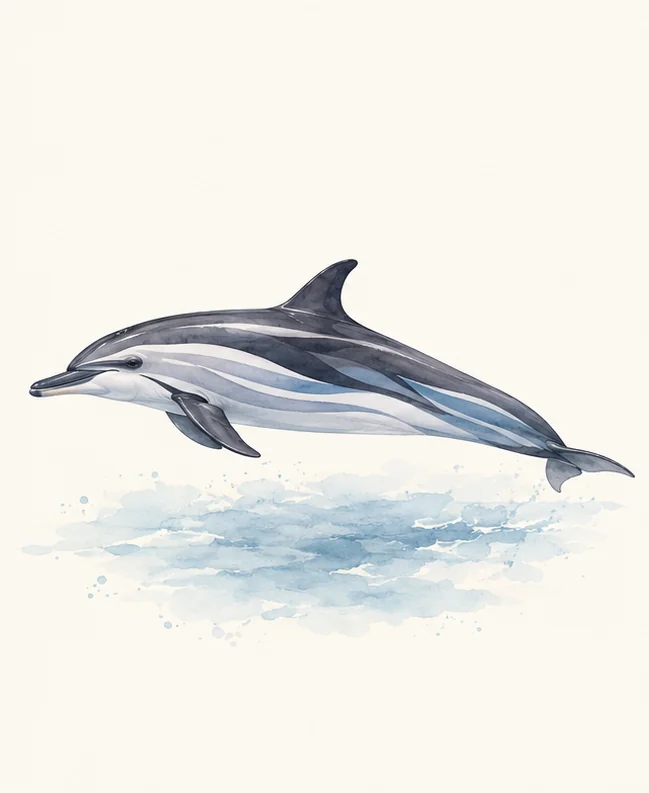
The striped dolphin is smaller and lightning-fast, with elegant blue stripes along its flanks. It lives in large pods in open water: you meet it on longer crossings — the Strait of Bonifacio, the Sardinia channel — often playing in the bow wave.
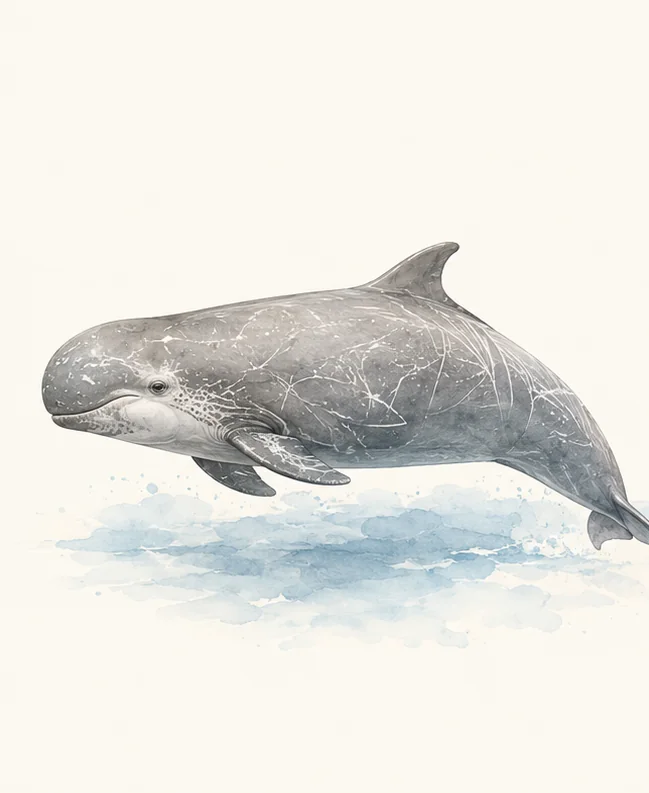
Risso’s dolphin is the gentle giant of the trio: up to 4 metres, a round head with no beak and pale skin etched with scratches. It keeps to deep water: spotting one from a coastal boat is a story to tell.
The three right places
No safari needed: the right gulf and the right hour are enough. These three stretches of coast account for the vast majority of sightings:
How to behave in the water (and on the boat)
The Golfo Aranci dolphins are used to boats, but they remain wild animals in a sea that is their home. The rules that matter: never chase them or cut across their path — the boat stops, they choose whether to come closer —, engine in neutral during the encounter, no feeding, and extra distance when calves are in the group.
And if the encounter happens while you are snorkelling? It does, and it is the jackpot: stay still, breathe slowly and let them decide. Swimming towards them makes them leave, every single time; staying motionless is the only way curiosity wins. There is no organised “swim with dolphins” in Italy, and rightly so: be wary of anyone promising it.
Go out with people who know the dolphins by name
In Golfo Aranci, dolphin-watching trips leave every summer morning, almost always with a snorkelling stop at Figarolo or Tavolara. Small groups, local skippers, sightings highly likely.
Prices and availability on Viator. Blulume may earn a commission, at no extra cost to you.Frequently asked questions
Are there dolphins in Sardinia?
Yes, all year round. Bottlenose dolphins live permanently along the coast — the best-known colony is at Golfo Aranci — while striped and Risso’s dolphins roam the deeper water offshore.
Where is it easiest to see them?
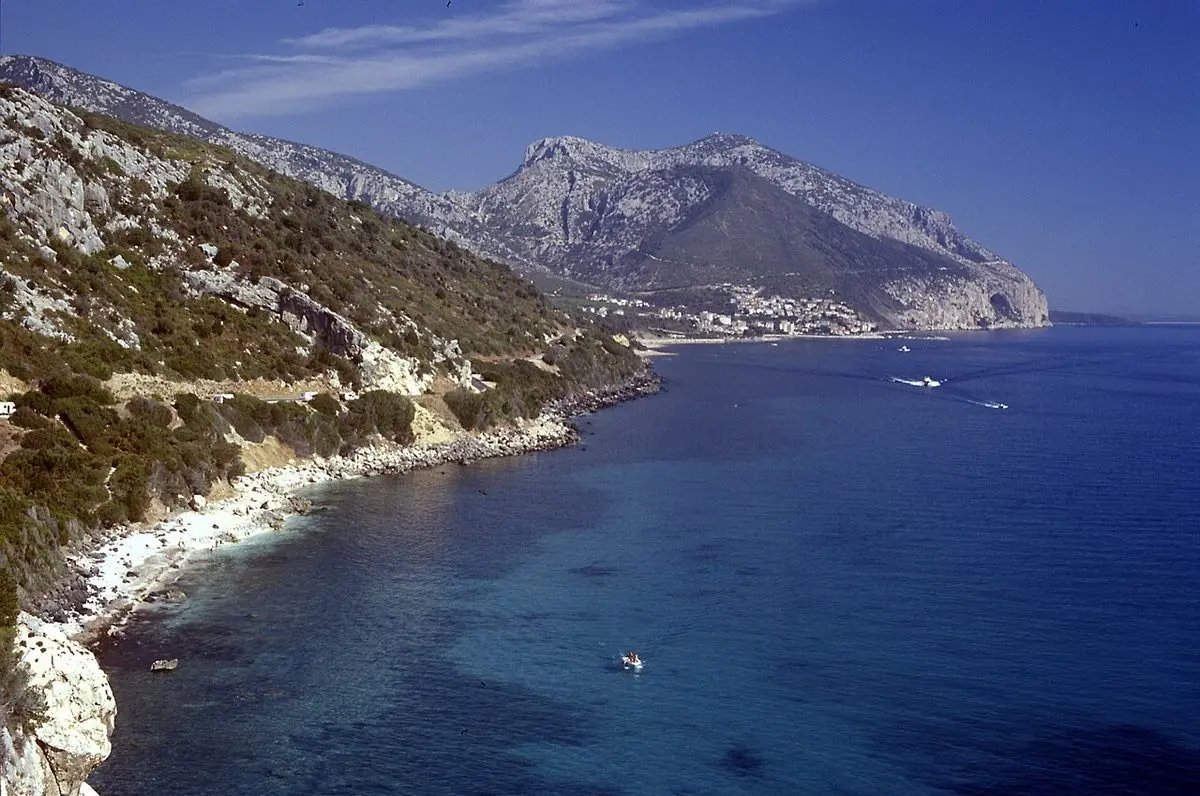
Golfo Aranci, in the Gulf of Olbia: the colony is resident and morning trips have very high sighting rates. The Gulf of Orosei and the La Maddalena archipelago are good bets too.
Can you swim with dolphins in Sardinia?
There are (thankfully) no organised swim-with-dolphins activities: they are protected wild animals and disturbing them is forbidden. A chance encounter while snorkelling can happen though: stay still and let them come to you.
What is the best time?
The dolphins are always there; dedicated trips run from May to October. The best moment of the day is dawn or early morning, with calm seas and the pods out hunting.