
 Marine Protected Area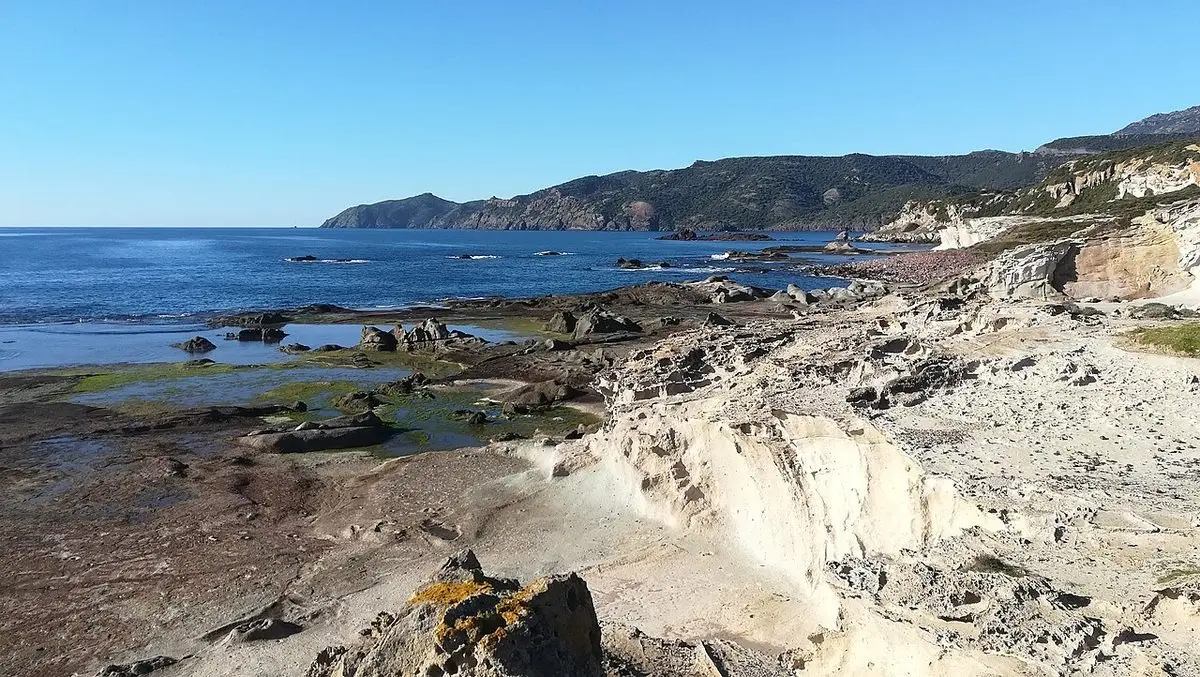
Wild coast
Bosa and Capo Marrargiu
The wildest coast in the west, between griffon vultures and volcanic rock
Bosa · Central-West
- DifficultyIntermediate
- AccessBy boat
- SeasonJune – September
- SeabedVolcanic rock and crevices
At a glance: Intermediate difficulty, access by boat. Recommended season: June – September. Seabed: volcanic rock and crevices.
What you will see
- Volcanic coast carved by the sea
- Italy’s last griffon vulture colony on the cliffs
- Rocky seabeds few people visit
- Snorkelling away from the crowds
Conditions today
Reading the sea…
Chance of an encounter*

The guide
The stretch between Bosa and Capo Marrargiu is what remains of coastal Sardinia before tourism: no resorts, a clifftop scenic road and volcanic cliffs where Italy’s last griffon vulture colony nests.
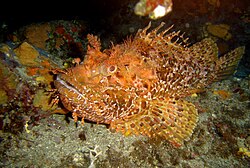
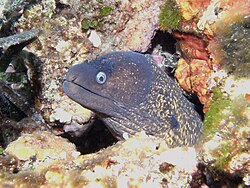
Underwater the dark rock forms crevices, arches and small caves. This is not the postcard turquoise of the north-east: here the blue is deeper and life concentrates in the shaded crevices, where you find scorpionfish, morays and shoals of damselfish.
This coast is exposed to the mistral: you go only in calm seas and by boat, since access from land is scarce and demanding. In return you get something rare in Sardinia in August: having the water almost to yourself.
Frequently asked questions
How do you snorkel the Bosa coast?
Almost only by boat and in calm seas: land access points between Bosa and Capo Marrargiu are few and demanding.
Is it a beginner area?
No, the level is intermediate: the coast is exposed to the mistral and life concentrates in crevices and small caves best explored with confidence.
What makes this coast special?
It is the wildest stretch of the west: sea-carved volcanic rock, Italy’s last griffon vulture colony on the cliffs and very few people even in August.
Plan your trip
The tours in detail
Learn more
Blog Useful reads for this area
Keep exploring
Other spots
Marine Protected Area Marine Protected Area
Capo Carbonara
* The encounter percentages are indicative estimates, worked out by combining each species’ typical habitat with the characteristics of the spot. They are not survey data: whether the fish are actually there depends on the season, the weather, the time of day, sea conditions and, not least, a bit of luck. Always respect marine life and the rules of protected areas.