
 Marine Protected Area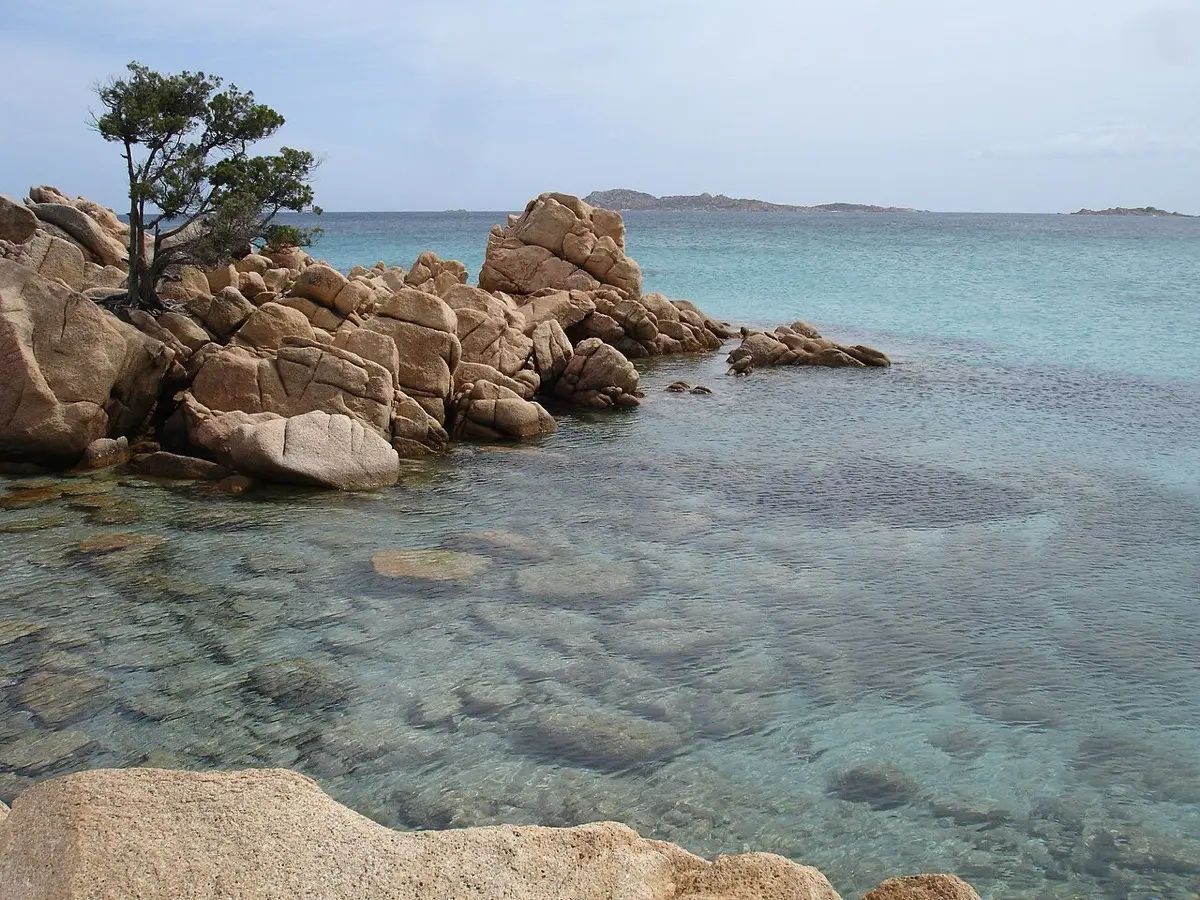
Famous coves
Costa Smeralda
The rocky points between Italy’s most famous beaches
Arzachena · North-East
- DifficultyEasy
- AccessFrom shore and by boat
- SeasonMay – October
- SeabedPink granite, sand and seagrass
At a glance: Easy difficulty, access from shore and by boat. Recommended season: May – October. Seabed: pink granite, sand and seagrass.
What you will see
- The rocky sides of Capriccioli and Principe
- Emerald water over pale sand
- Boat trips from Porto Cervo and Poltu Quatu
- Islets and shallows a short hop from the coast
Conditions today
Reading the sea…
Chance of an encounter*


The guide
The Costa Smeralda is famous for yachts and villas, but below the surface it is still granite Gallura like the rest: smooth pink points, tongues of pale sand and posidonia meadows. The trick is to ignore the middle of the celebrated beaches and head for their rocky sides.
The best spots are Capriccioli, with its two bays split by a low granite point, and Spiaggia del Principe, where the rocks to the right of the crescent drop onto lively seabeds: sea breams, saddled bream and ornate wrasse among the boulders, often in very little water.
Boat and catamaran trips leave Porto Cervo and Poltu Quatu, combining the coast’s coves with the offshore islets, almost always with a snorkelling stop and gear included. In high season the beaches fill up early: go in the morning, or join a boat trip to find clear, quiet water.
Frequently asked questions
Where do you snorkel on the Costa Smeralda?
On the rocky sides of the famous beaches: the granite points of Capriccioli and the rocks of Spiaggia del Principe are the liveliest spots.
Where do boat trips leave from?
From Porto Cervo and Poltu Quatu: tours combine the coast’s coves with the offshore islets, almost always with a snorkelling stop and gear included.
How do you avoid the high-season crowds?
Go early in the morning or join a boat trip: the beaches fill up by late morning.
Plan your trip
The tours in detail
Learn more
Blog Useful reads for this area
Keep exploring
Other spots
Marine Protected Area Marine Protected Area
Capo Carbonara
* The encounter percentages are indicative estimates, worked out by combining each species’ typical habitat with the characteristics of the spot. They are not survey data: whether the fish are actually there depends on the season, the weather, the time of day, sea conditions and, not least, a bit of luck. Always respect marine life and the rules of protected areas.