Night snorkelling: the sea you’ve never seen (and how to try it safely)
Octopuses hunting, cardinalfish out of their dens, eyes glowing in the torch beam: at night the seabed changes shift. The guide to a first outing in the dark, done properly.
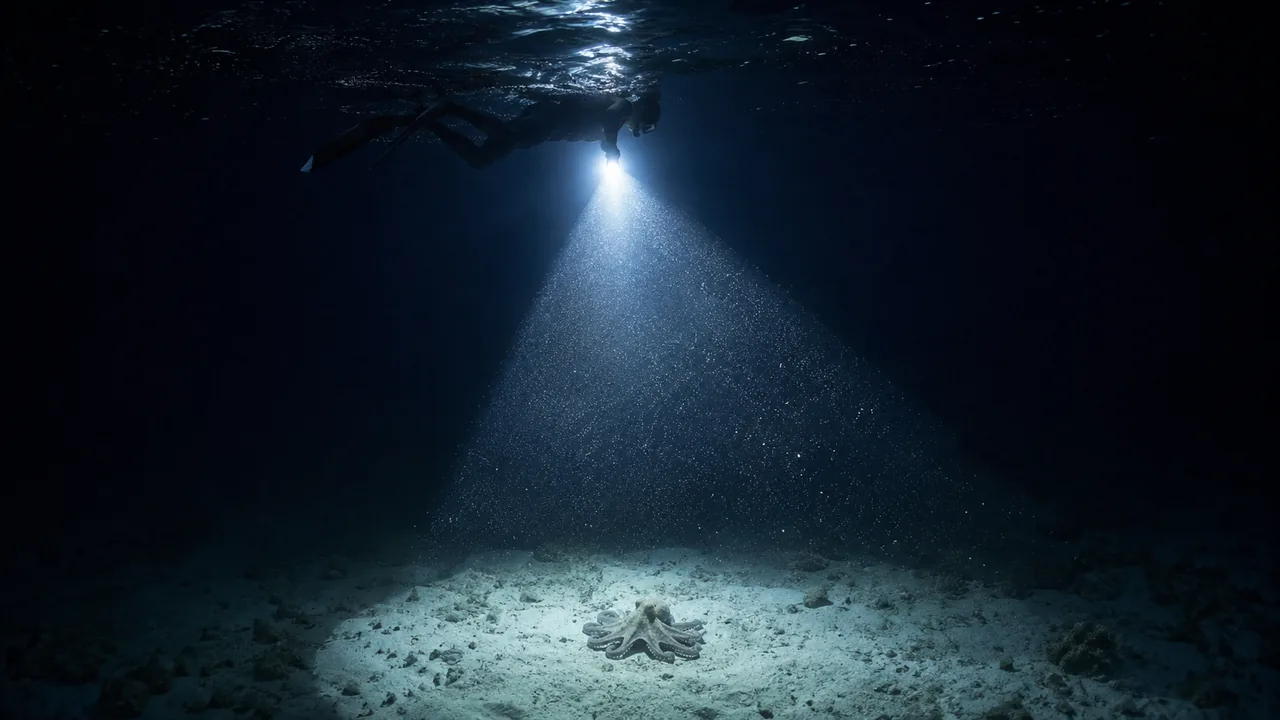
Can you snorkel at night?
- Yes, and you don’t need to be a diver: two torches, a lit buoy and a cove you already know by day are enough.
- The best nights are calm and moonless: less ambient light, more animals out.
- Never alone: two at minimum, a small agreed perimeter, someone ashore who knows where you are.
Recommended season for a first night swim: warm water and stable evenings do half the work.
The seabed you know by heart in daylight is a different place at night: the day fish sleep wedged in crevices and the night shift comes out — octopuses hunting, congers and morays on the move, shrimp with eyes glowing like embers in the torch beam. Night snorkelling is the Mediterranean’s most underrated experience, and all it takes is a torch and clear rules.
The night shift: who only comes out after dark
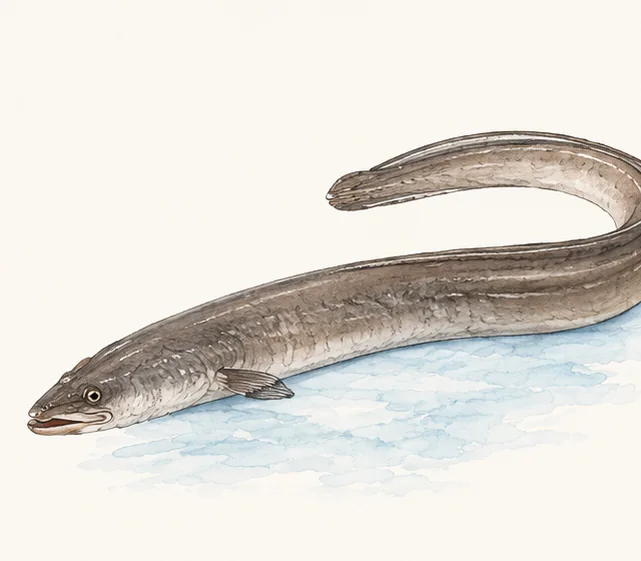
The conger spends the day walled into its den and patrols the sand at night: a grey torpedo of up to two metres, harmless and unforgettable in the torch beam.
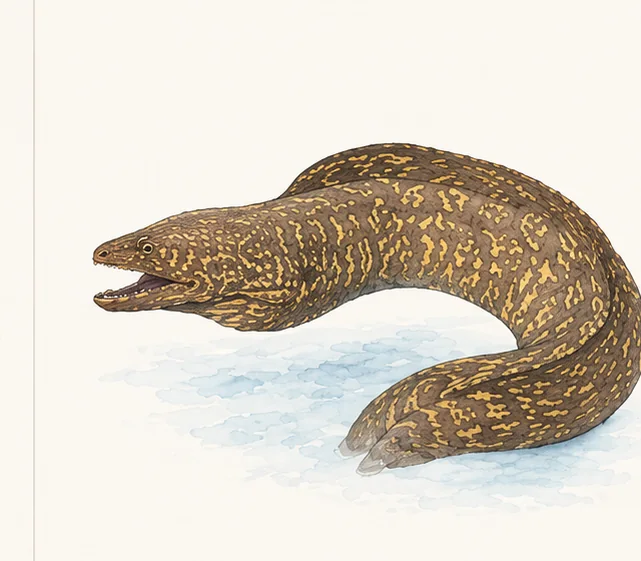
By day you only see its head poking from the den; at night the moray swims free, hunting octopus and fish. Never touch it: it bites only if harassed.
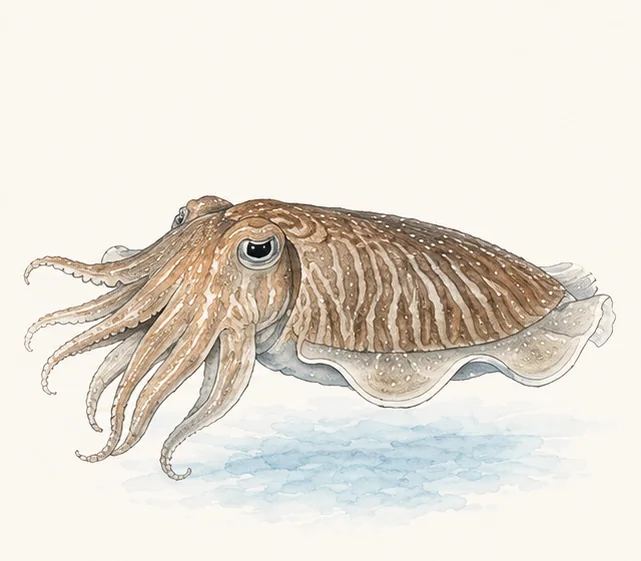
The cuttlefish rises over sandy bottoms as the sun goes down: you find it mid-water, rippling with colour waves as it hypnotises shrimp.
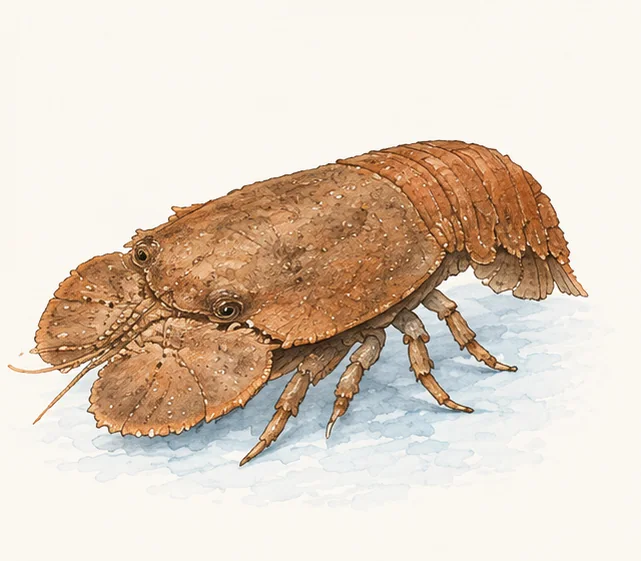
The slipper lobster is the rarest encounter of the lot: flat, armoured, out only after dark. It is a protected species: photograph it and leave it be.
Where and when
The first rule is almost banal: at night you only go back to places you already know by day. A small sheltered cove, an easy sandy entry, shallow bottom (2–4 metres), oily-calm sea and no current: an urban bay like Cala Fighera at the Sella del Diavolo, or the sheltered sides of Porto Giunco, are the perfect identikit. The best evenings are calm and moonless: less ambient light, more life out and about.
One check you don’t need by day: local rules. In some Marine Protected Areas night swimming is regulated — check the municipality’s and the managing body’s ordinances.
The right coves for a first night swim
Three places that fit the identikit — sheltered, sandy, shallow — and that you already know by day from the guides:
The gear: two torches and a lit buoy
The minimum kit is precise: a main dive torch (600–1,000 lumens is plenty), a backup torch in your pocket — in the dark a failure is not an annoyance, it is a problem — and the usual marker buoy, this time with a glow stick or strobe fixed on top: you visible, your position visible.
In the water, use the torch politely: beam angled, never straight into animals’ eyes, and a few seconds of raking light on the sand to find whoever buried themselves in it. The best trick: stop, switch off for ten seconds and let your eyes adapt — on the right nights, bioluminescent plankton lights up at every fin stroke.
The night kit
 Main torchWurkkos rechargeable, 2,000 lumens, IPX8: more than enough for the 2–4 metres of a first night swim.See on Amazon →
 Backup torchThe SEAC T5 Mini: compact, lives in your pocket — in the dark a backup is not optional.See on Amazon →
 Strobe for the buoyThe Best Divers mini strobe to fix on your buoy: visible from shore and to boats.See on Amazon →
The rules of the dark
Never alone: two minimum, three is better, with someone ashore who knows where you are and when you are due back. A small agreed perimeter, an always-visible exit, and half the duration of a day outing: in the dark the perceived temperature drops and attention burns faster. At the first shiver or the first doubt, out — the cove will still be there tomorrow night.
First time? Try a guided night outing
Between Golfo Aranci and Cagliari, guided night kayak and SUP trips run all summer, often chasing bioluminescent plankton: the safest way to taste the dark.
Prices and availability on Viator. Blulume may earn a commission, at no extra cost to you.Frequently asked questions
Is night snorkelling allowed?
In open sea yes, with a marked, lit buoy. In some Marine Protected Areas night swimming is regulated: check the municipal and park ordinances before going out.
What torch do you need for night snorkelling?
A main torch with a genuine 600–1,000 lumens is plenty for shallow bottoms, plus a small backup in your pocket: in the dark, backup is not optional.
What can you see at night that you can’t by day?
Congers and morays out hunting, cuttlefish and octopus away from their dens, slipper lobsters and shrimp with eyes glowing in the beam; on the right nights, bioluminescent plankton lighting up at every fin stroke.
Do you need a wetsuit even in summer?
Recommended: floating still in the dark, perceived temperature drops fast. A 2–3 mm shorty doubles your comfort and your time in the water.